
How to Involve Kids in Family Travel Without the Stress

My daughter was intrigued by Meow Wolf in Dallas
Family travel sounds wonderful, until everyone has different ideas of what fun looks like. One kid wants to fly halfway across the world. One only wants to play in the sand. You just want time to enjoy your book for a few moments of peace.
Here’s the good news: letting kids help plan one part of the trip can actually make travel smoother, not harder—if it’s done with intention and boundaries.
This isn’t about handing over the entire itinerary. It’s about giving kids a small, meaningful role that builds buy-in, reduces power struggles, and helps moms enjoy the trip too.
Advertisement
Why Letting Kids Help Plan Actually Works
When kids feel included, they’re more invested. That investment often shows up as:
Fewer complaints
More flexibility
Better emotional regulation (especially during transitions)
For neurodivergent kids, or kids who struggle with changes, having a voice creates predictability and safety, even when the environment is new, or the itinerary has a change.
The key is limited choice, not unlimited freedom.
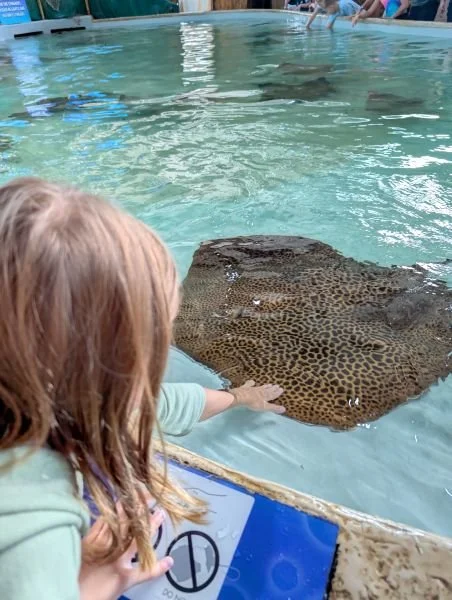
Petting stingrays has become a source of predictability in our family
The Rule That Changes Everything: One Part, Not the Whole Trip
Instead of asking:
“What do you want to do on vacation?”
Try:
“You get to help plan one part of the trip, let’s talk about what one part you might enjoy.”
That one part could be:
One activity
One meal
One afternoon
One tradition
This keeps the plan from straying too far from practicality, while still giving kids ownership.
Advertisement
What Kids Can Help Plan (And What Moms Keep)
Here’s where intention really matters.
Kids Can Help With:
Choosing one activity (zoo, beach time, arcade, museum)
Picking one restaurant or treat (sushi vs ice cream)
Deciding on a hotel perk (pool vs. breakfast)
Planning a low-stakes outing like a park or walk
Moms Keep Control Over:
Budget
Timing
Travel logistics
Safety
The overall structure of the trip
Think of it as guided autonomy - they get choice within an itinerary you’ve already built.
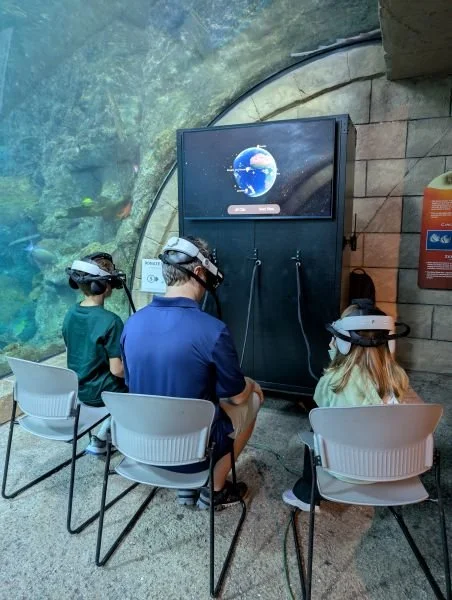
We used a flexible itinerary when both kids played for a long time at the aquarium
How to Offer Choices Without Creating Chaos
Ask questions that have choices rather than a complete open ended question.
Offer two or three clear options for them to choose from.
Examples:
Do you want to choose the pool in the afternoon or the ice cream shop?
Should your activity be on our first day or last day?
Do you want something indoors or outdoors?
This keeps things calm, clear, and manageable.
Age-Based Planning Ideas
Younger Kids (3–7)
Choose the hotel pool time
Pick a snack or dessert shop
Decide which playground or park to visit
Older Kids (8–12)
Pick one daily activity
Choose a local food to try
Help plan a themed day (beach day, city day)
Teens (13+)
Research one activity and present options
Choose a coffee shop, unique activity, or local spot
Plan one evening outing
Why This Helps Moms Enjoy the Trip More
When kids have buy-in:
You’re not constantly convincing them to cooperate
Transitions feel less like battles
Complaints are minimized (at least for their choice!)
And when you aren’t managing every emotion and expectation, you actually get to experience the trip, not just run it.
That’s intentional family travel.
Advertisement
A Simple Script to Use Before the Trip
You can say:
We’re planning this trip together. I’ll handle the big stuff, and you get to plan one special part. We’ll figure it out before we go.
This sets expectations early and prevents some last-minute negotiations.
Intentional Family Travel Isn’t About Control - It’s About Connection
Letting kids help plan one part of the trip isn’t about creating the perfect vacation (although if that exists, please sign me up). It’s about:
Teaching decision-making
Building confidence
Creating shared ownership
And most importantly, it helps families travel with less stress and more connection - which is the whole point.
Until next time, enjoy the journey!
Copyright Me Time 4 Mom, LLC